
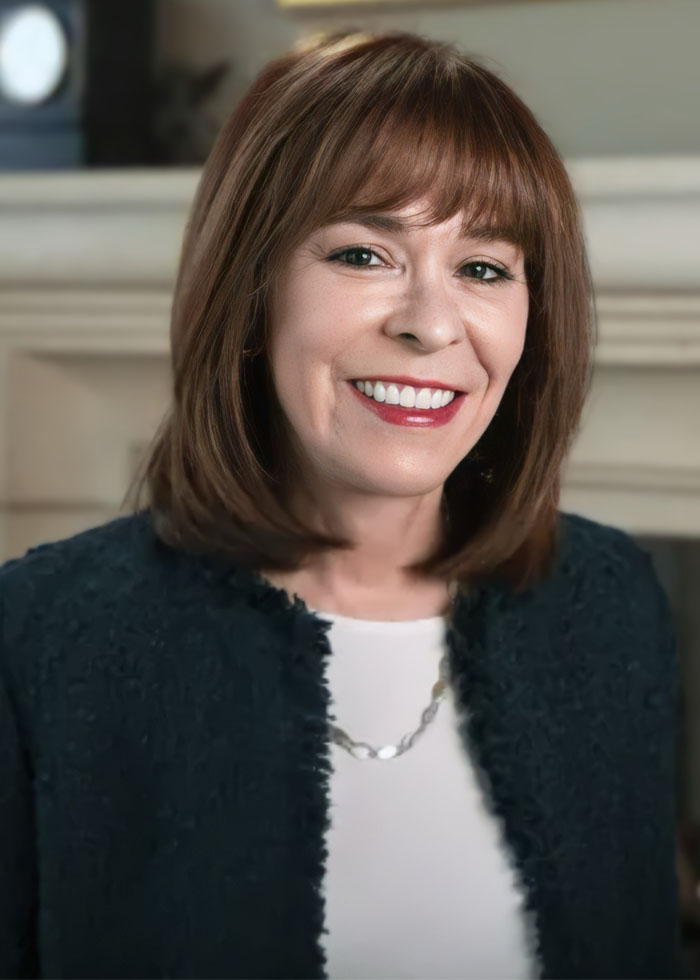
Principle Attorney
A motorcycle accident can upend your life in seconds. Riders have almost no protection, so one careless driver can leave you with broken bones, a brain injury, or worse, along with bills that pile up while you cannot work. If another driver caused your crash, you can seek money for your medical bills, lost income, pain and suffering, and more. The money you recover has to carry you through all of it, which is why knowing what your claim includes matters so much. At the Law Offices of Dianne Sawaya, our Denver motorcycle accident lawyer and our legal team fight for injured riders across Colorado to secure the full recovery they deserve.
Who Pays for a Motorcycle Accident in Colorado?
Colorado is an at-fault state. That means the driver who caused your crash, through their insurance, is responsible for the harm they caused. To recover, you generally have to show that another person or company was negligent and that their negligence led to your injuries.
More than one party can share the blame. Depending on how your crash happened, that might include another driver, a trucking company, or a government agency responsible for a dangerous stretch of road. It could also include a bar or restaurant that kept serving a driver who was already visibly drunk, though Colorado sets a high bar for those claims and a separate limit on what a bar can be made to pay.
If the at-fault driver has no insurance or too little to cover your losses, your own uninsured or underinsured motorist coverage may help fill the gap. Sorting out who is responsible, and which policies apply, is one of the first things a lawyer does for you.
What Compensation Can Injured Riders Recover?
Colorado law recognizes three categories of damages for motorcycle injury compensation. Economic damages cover your financial losses. Noneconomic damages cover the human costs of an injury. Physical impairment and disfigurement stand on their own as a third category.
Economic damages can include:
- Emergency care, surgery, hospital stays, and follow-up treatment
- Future medical care, therapy, and rehabilitation
- Wages you lose while you recover
- Reduced earning capacity if your injuries limit your ability to work
- Property damage to your motorcycle and gear
- Out-of-pocket expenses
Noneconomic damages can include:
- Pain and suffering
- Emotional distress
- Loss of enjoyment of life
Physical impairment and disfigurement is its own category. It covers what a permanent injury takes from you, such as an amputation, a scar, a limb that no longer works the way it did, or a body that cannot do what it used to before the accident.
Colorado places a statutory limit on noneconomic damages, such as pain and suffering, and that limit changes over time, so ask a lawyer about the amount that applies to your case. Two points work in your favor.
That limit does not apply to your economic losses, such as medical bills and lost wages. And Colorado law says nothing in the cap limits your recovery for physical impairment or disfigurement, which a jury decides separately. In serious motorcycle crashes, that separate category is often where the real value of a case lives
How Does Fault Affect What You Can Recover?
Colorado uses a rule called modified comparative negligence. You can still recover as long as your share of the fault is less than everyone else’s share added together. If two or more parties are to blame, their percentages get combined and compared to yours. If you share some of the blame, your percentage reduces your compensation. If you are found to be 50 percent or more at fault, you cannot recover anything.
This is why insurers often try to pin blame on the rider. They may argue you were speeding, splitting lanes, or hard to see. Get that one right. Since 2024, Colorado has allowed lane filtering, meaning riders can move between lanes of fully stopped traffic at 15 miles per hour or less under specific conditions. An adjuster who calls legal filtering “lane splitting” is not describing the law. They may even point to whether you wore a helmet. Colorado requires helmets only for riders and passengers under 18, so riding without one is legal for adults.
Do not let an adjuster use your gear choices or a few disputed percentage points to slash a fair payout. A lawyer can push back with evidence and protect your share of the recovery.
How Long Do You Have to File a Claim in Colorado?
Colorado’s statute of limitations sets deadlines for filing personal injury lawsuits, including those related to motorcycle accidents. Missing that deadline could cause you to lose the right to pursue a claim. Some situations carry different and much shorter deadlines, such as claims against a government agency or claims against a bar that served a drunk driver, so it is risky to wait.
The legal deadline is not the only reason to act early. Evidence disappears quickly. Skid marks fade, vehicles get repaired, and witnesses forget details. The sooner your case begins, the stronger it tends to be.
What Affects How Much Your Case Is Worth?
No two motorcycle claims are identical. Several factors shape the value of yours:
- The severity and permanence of your injuries
- Your total medical bills, both now and in the future
- How much income you lost and whether you can return to your job
- The long-term effect on your daily life and independence
- How clearly the other party’s fault can be proven
- The amount of insurance coverage available
Because riders have almost no protection in a crash, motorcycle injuries are often catastrophic and permanent, from traumatic brain injuries to life-altering impairments. Per mile traveled, motorcyclists are far more likely to be killed or seriously injured than people in passenger vehicles.
Colorado has felt this firsthand, as motorcycle deaths across the state have climbed sharply over the past decade. A skilled attorney builds your claim around the full, long-term picture, not just the bills you have received so far.
Talk to a Denver Motorcycle Accident Lawyer Today
You should not have to fight an insurance company while you are trying to heal. At the Law Offices of Dianne Sawaya, we have stood up for injured Coloradans for decades, and we know what it takes to move a motorcycle claim toward its full value. Your consultation is always free, and you can reach us any time, day or night. Contact our team today for a free case review, and let us handle the insurers while you focus on your recovery.